
In short: write a clear specification, compare at least three suppliers on the same request, approve a sample, sign a contract with an inspection clause, pay a deposit, inspect before paying the balance, then ship and clear with complete documents.
Step 1: Write your specification
List exactly what you want: material, size, thickness, coating, colour, voltage, standard, packaging and quantity. A vague request gets you the cheapest version. A written specification is also what an inspector measures your goods against.
Step 2: Find and compare suppliers
Send the same request for quotation (RFQ) to at least three suppliers, found on Made-in-China.com, Alibaba.com or at the Canton Fair. See our guide to importing from China for how each channel works. Compare quotes only on the same specification and the same Incoterm, such as FOB or CIF.
Step 3: Check the supplier is real
Many online sellers are trading companies presenting themselves as factories. Read our guide on factory, trader or brand, and have the business licence and bank details checked before you pay anything.
Step 4: Get the proforma invoice
The proforma invoice (PI) sets out products, prices, quantity, Incoterm, payment terms and bank details. Your Zimbabwean bank needs it to process the payment, so check that the company name on it matches the bank account name.
Step 5: Approve a sample
Order a sample and approve it in writing. Keep it, and write into the contract that the bulk order must match the approved sample.
Step 6: Sign a contract with an inspection clause
- Full specification and approved sample
- Packing and marking requirements
- Delivery date and a penalty for late delivery
- Payment terms, with the balance due after an independent inspection passes
- Who arranges freight and insurance (Incoterms 2020)
Step 7: Inspect before you pay the balance
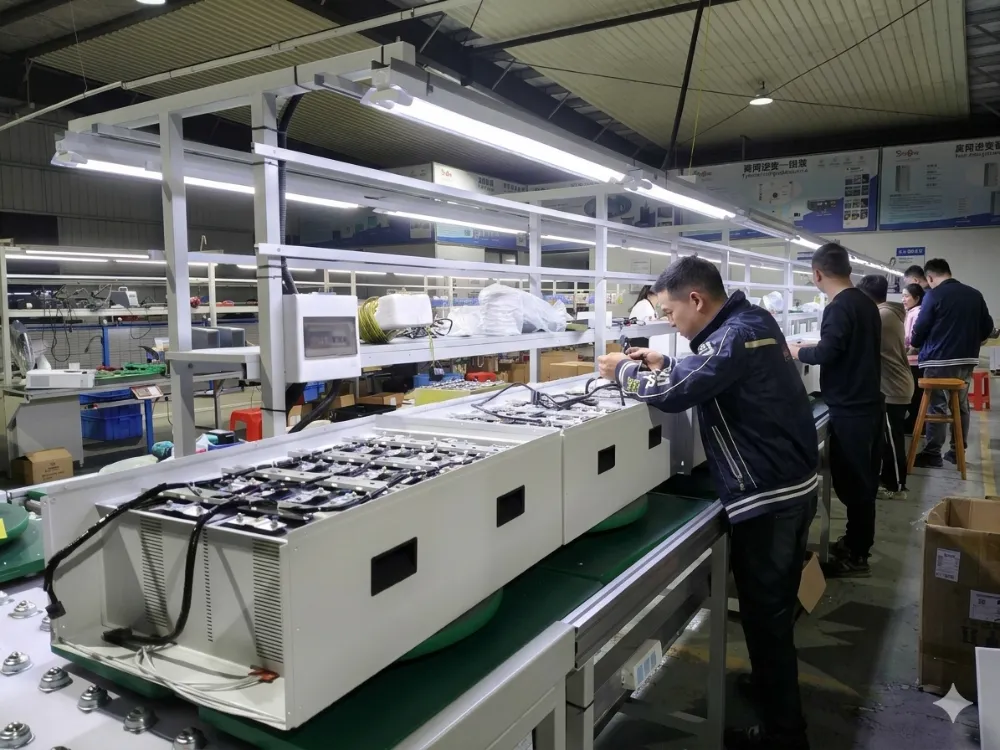
Book a pre-shipment inspection when production is about 80% complete. Africa Opal's Mandarin-speaking inspectors check quantity, specification and workmanship at the factory, and our loading supervision confirms every carton goes into the container.
Step 8: Ship, clear and deliver
Most sea freight to Zimbabwe lands at Durban or Beira and travels by road to Harare or Bulawayo. Allow roughly 40 to 55 days door to Harare by sea, or 7 to 14 days by air. Your clearing agent lodges the bill of entry with ZIMRA through ASYCUDA World. You will need:
- Commercial invoice and packing list
- Bill of lading or air waybill
- Your ZIMRA Business Partner number and tax clearance (ITF 263)
- A CBCA Certificate of Conformity for regulated goods
- An import licence if your product needs one under Statutory Instrument 59 of 2026
Read more on shipping routes and CBCA certificates.
Frequently asked questions
How long does it take to receive goods from China in Zimbabwe?
Allow production time plus roughly 40 to 55 days for sea freight to Harare via Durban, or 7 to 14 days by air. Shared containers (LCL) usually add 5 to 10 days.
Do I need an import licence to bring goods from China into Zimbabwe?
Some goods need one. Statutory Instrument 59 of 2026 brought Zimbabwe's import licensing rules into one framework. Check your product with the Ministry of Industry and Commerce before you order.
Should I order samples before a full order?
Yes. Approve a sample in writing, keep it, and write into the contract that the bulk order must match it. The inspector then checks production against the approved sample.
- Customs clearance procedures, Zimbabwe Revenue Authority
- How to ship from China to Zimbabwe, Good Hope Freight
- Unified import, export rules (S.I. 59 of 2026), The Herald
- Incoterms 2020, International Chamber of Commerce
This article is general guidance, not legal or customs advice. Rules change; confirm requirements for your product before you order.
Want us to apply this to your next order?
Talk to us on WhatsApp